When someone breaks their thigh bone, doctors often rely on a method called intramedullary nailing. This involves placing a metal rod inside the bone to hold everything steady as it heals. But not all nails are created equal. Among the popular choices is the Intertan nail, loved for a clever twin-screw design. But how does it really stack up against other nails like PFNA or Gamma? Let’s talk about what makes each stand out.
Why Does the Intertan Nail Get So Much Attention?
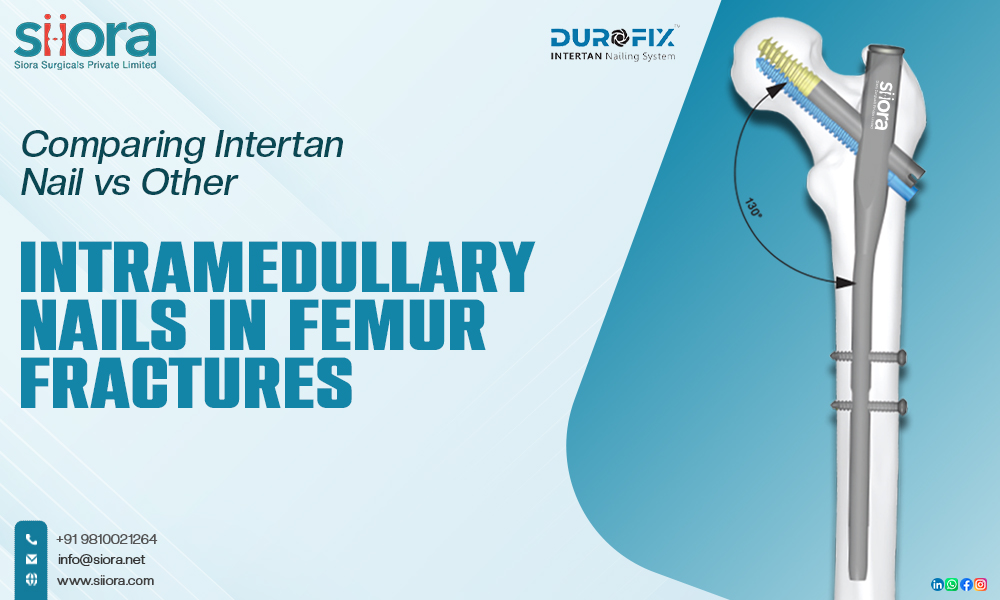
Imagine fixing a broken chair with two tightly screwed bolts instead of just one—this is what the Intertan nail does inside the bone. Its twin screws interlock to offer extra grip and stability, which makes it less likely that the bone pieces will shift or the screws will back out. This is particularly handy for complicated or unstable fractures where a single screw might not cut it.
What About Surgery Time and Patient Tolerance?
Yes, the Intertan nail takes a bit longer to put in. It’s like choosing a precise, carefully crafted tool instead of a quick fix. For patients who can’t be under anesthesia too long, this is important to keep in mind. But often, that extra time during surgery translates into a more solid repair afterward, helping patients avoid some common post-op troubles.
How Do Patients Do After Surgery?
Both Intertan and other nails usually help folks get back to normal function over the long haul. However, Intertan users tend to experience fewer complications like screw migration or bone collapse. Additionally, many begin bearing weight on their leg earlier, which is important. Early mobility speeds up overall recovery by preventing muscle atrophy and stiffness.
Other nails like PFNA and Gamma nails have been a dependable option for many years, but they can occasionally have a higher risk of mechanical issues, such as breaking or creating new cracks. PFNA nails are simpler and faster to implant, making them good when time is of the essence or the fracture is straightforward. Ultimately, the choice depends heavily on how bad the break is and what the patient’s overall health looks like.
Final Thoughts
In tricky cases where a femur breaks into complex pieces, the Intertan nail offers that strong hold needed for healing safely. Surgeons might accept a longer surgery time for the benefit of fewer complications and quicker rehab. Gamma or PFNA nail works well for easier breaks or circumstances requiring quick operations.
To choose the best option, doctors always weigh the type of fracture, the patient’s health, and the risks of surgery. Ultimately, the goal is to assist patients in recovering comfortably and resuming their lives as soon as possible. The Intertan nail has earned its reputation as a particularly difficult fracture.

